
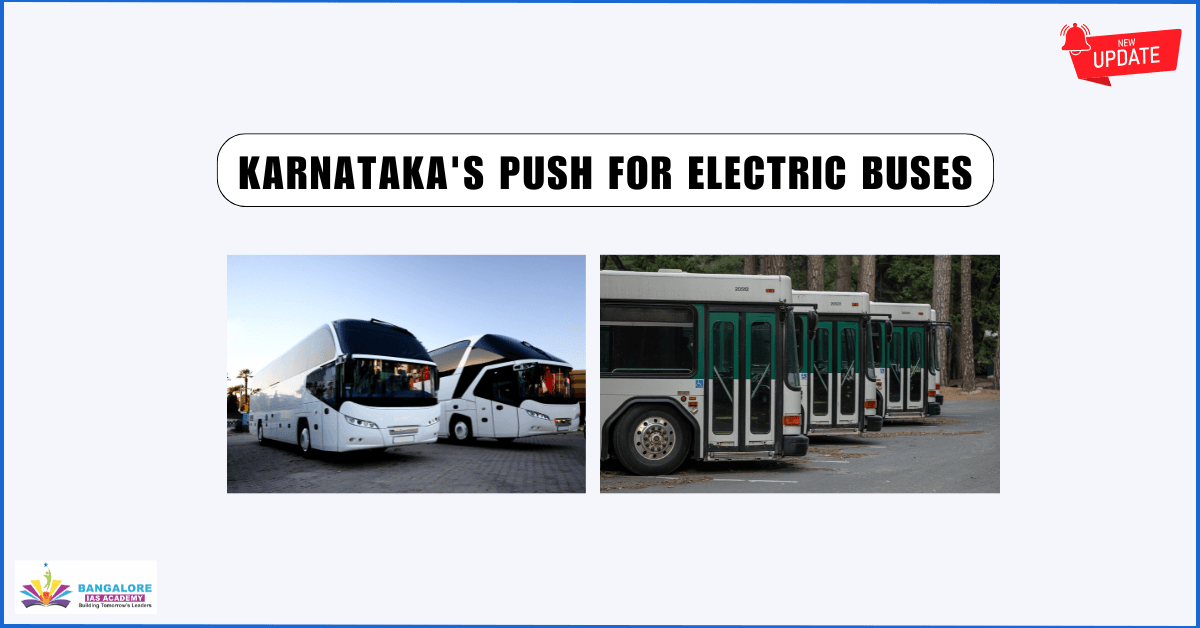
On September 29, 2024, India's Ministry of Heavy Industries introduced the PM E-DRIVE scheme, a major initiative aimed at expanding electric vehicle infrastructure. With a budget of ₹10,900 crore, this program builds upon the earlier FAME initiative.
The scheme allocates ₹4,391 crore for subsidising 14,028 electric buses across nine major cities. Subsidies range from ₹20 lakh to ₹35 lakh per vehicle, with a maximum cap of ₹2 crore. The program operates through a Gross Cost Contract model.
Karnataka has formally requested 5,000 electric buses for Bengaluru, representing a substantial expansion of its current fleet. The city currently operates over 6,000 buses through BMTC. Officials project needing 10,000–12,000 buses total.
BMTC currently operates 1,231 non-AC electric buses — 90 leased through Smart Cities Mission, 300 under FAME Phase 1, 841 via FAME II, with 80 more expected soon. The corporation is also leasing 320 AC electric buses, 120 midibuses and 10 double-decker e-buses.
Beyond emissions reduction, the initiative addresses multiple objectives: improved public transport quality, reduced air pollution, decreased fuel dependency, and cleaner mobility. As more states adopt comparable programs, a nationwide EV ecosystem for public transit is materialising.